Tomorrow is the Great American Bake Sale in NYC: a charity event set up to benefit Share Our Strength's "No Kid Hungry" campaign, set up to end childhood hunger by 2015. The Food Network, in partnership with Share Our Strength, aired a moving documentary on the subject called "Hunger Hits Home". The film follows various people touched by hunger both in the past and present. A single father struggles to feed his son, while a NYC couple desperately attempt to feed their young children who are constantly sick due to malnourishment. Another father says, "The biggest misconception that someone can have is that when a person works...they're not going to go hungry."
It is not only the homeless and the jobless who go hungry. There are people who work long hours everyday, but still do not make enough money to properly feed their children. In the documentary, Effie Davis shows the camera crew how her food stamps will only buy her one small bag of vegetables -- not enough to feed her family of four for one meal, let alone an entire week. She walks us through her local grocery store where there is not one ounce of fresh produce. The shelves are lined with sugary cereals and overly processed, preservative-rich "food".
I myself once saw an acquaintance eating potato chips for dinner. When I asked why he would waste his money on junk food he said, "It's all I could afford." When I checked out the food stores in his neighborhood afterward -- sure enough -- the only produce available was extremely expensive.
In New York City, the poorer the neighborhood, the harder it is to get fresh, nutritious food. Children deal with chronic illnesses while their parents battle diabetes and heart disease. Kids go to school hungry and then can't concentrate on their work because they are fatigued or in pain. If you can't concentrate, you can't learn. If you can't learn, you can't graduate. If you can't graduate, you're condemned to lead the same life your parents did: always struggling, always hungry.
To make matters worse, Congress voted to cut funding for SNAP - the Supplemental Nutrition Assitance Program (commonly known as food stamps) yesterday. SNAP applications have skyrocketed since the recession hit in 2008. Born in the Great Depression, SNAP was created to ease this very situation: many people out of work and unable to feed their children. Yes, we are cutting funding to a social program because too many people need help. Congress cites abuse of the entitlement as a reason to cut funding. I will not, however, point out that they are punishing the many for the sins of the few.
Congress has until September to make their final adjustments on the SNAP issue.

Friday, April 27, 2012

Thursday, April 26, 2012
Exciting News!
I'm sure you've noticed that updates have been somewhat sparse this week. I am excited to report that I have begun working on a series of scripts that will be featured every week on Fun Fact Friday. It's going to take me a few weeks to get the ball rolling, but it'll be fun.
In the meantime we have the NYC Bake Sale happening this Saturday (April 28th), Jamie Oliver's Food Revolution Day on Saturday, May 19th and the Great GoogaMooga on May 19th-20th. I will be attending GoogaMooga on Saturday and reporting on it for everybody who couldn't get a ticket.
Wednesday, April 25, 2012
Wino Wednesday: Polka Dot Riesling
In case you haven't noticed, I am a big fan of Riesling. This week's wine comes from Pfalz, Germany. Vinted in 2010, this Riesling is much sweeter than last week's Dr. Loosen. Whereas last week's wine was very bright, this one is more subdued with a definitive apple aftertaste. Which did I prefer? As an unpaired drink, the Loosen had a little more personality, but this Polka Dot might make for an interesting pairing with either chicken or dessert. Sweet enough for its presence to be known, but not overpowering. Quite enjoyable.
Tuesday, April 24, 2012
Smoothie Fail
Today's post was going to be on a yummy berry and kale smoothie, but my blender is being temperamental so all I can post is the recipe I created and not any input on whether or not it was, in fact, yummy.
Ingredients
12 large ice cubes
2 leaves of kale - finely chopped
5 oz. greek yogurt (plain or honey flavored)
8 oz. strawberries
6 oz. blueberries
banana - optional
If you have a functional blender and are willing to try this, please let me know how it turned out! The berries are really needed to cut through the smell of the kale. No one wants to feel like they're drinking a glass full of yard clippings.
I'll try this again when I get a new blender.
Ingredients
12 large ice cubes
2 leaves of kale - finely chopped
5 oz. greek yogurt (plain or honey flavored)
8 oz. strawberries
6 oz. blueberries
banana - optional
If you have a functional blender and are willing to try this, please let me know how it turned out! The berries are really needed to cut through the smell of the kale. No one wants to feel like they're drinking a glass full of yard clippings.
I'll try this again when I get a new blender.
Monday, April 23, 2012
Mmm Mmm Monday: Truth Bombs
I love clicking around the internet and finding amusing/cute pictures. Occasionally this involves cats or penguins, but then I come across a posting that is truly relevant to my life and which makes me look back at myself and question why I am the way I am. Today's post is brought to you by one of my favorite online comics: XKCD.

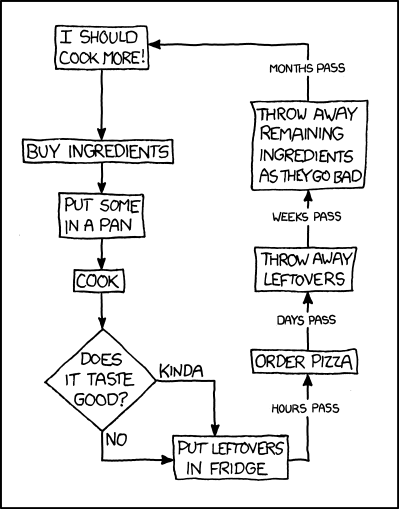
This is why I've adopted my new Waste Not/Want Not approach to food shopping. I am not allowed to buy food if I have ingredients in my house. I am perfectly capable of cooking. There's no reason not to.
Though it does make me feel better that I'm not the only one whose fallen into this cycle.
Sunday, April 22, 2012
Dying to Have Known: A Review
It's late. You're tired, but your car needs gas. So you pull up to the station and sleepily pump a tank full. Except you accidentally put premium into your regular tank. Now your engine is knocking and the car is slowly destroying itself.
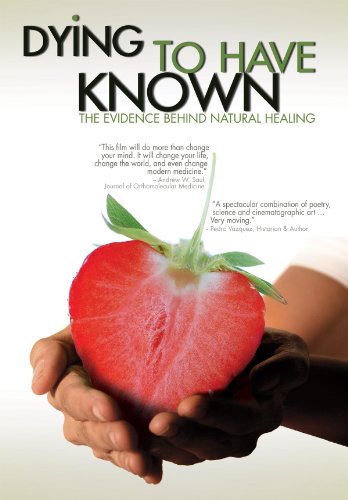
"Dying to Have Known" is a documentary about the Gerson Method, a diet centered around plant-based foods that reportedly cures most degenerative diseases, such as cancer or multiple sclerosis. The reasoning behind it is much like the example above about the car. Humans are putting the wrong gasoline in their tanks. We're filling up with diesel when we only need regular.
 The statistics presented are absolutely disturbing. Cancer rates have exploded. Men in the US have a 45% chance of developing cancer in their life with women trailing at 38%. That's 1 in 2 men and 1 in 3 women who will develop cancer. 1 in 4 men and 1 in 5 women will die of their cancer.
The accepted method for treating cancer is chemotherapy. Chemotheraphy is like washing your hands with sulfuric acid. The idea is that radiation will kill the cancerous cells. But radiation doesn't specifically target cancerous cells, it targets every cell. Hair loss, weight loss, and a diminished immune system are just the average side effects to this treatment-- similar to the side effects of poisoning. The Gerson Method suggests that diet and elimination can cure cancer without poisoning the body. The idea is that a diet rich in vitamins and nutrients will boost the immune system enough to fight off any disease.
It makes sense. Eat organic foods that nature created for us, have a body functioning as nature intended. Eat a fatty, preservative-rich diet of processed foods that don't occur in nature, get sick. Bring obesity and diseases like diabetes into the mix, and the point of nutrition affecting health could not be more obvious. So why do doctors recommend pills over food? Simple, they don't know about nutrition.
It's not the doctor's fault. The National Academy of Sciences recommends 25 hours of nutrition education as a requirement to receive a medical degree. To put that in perspective, I have spent more than 25 hours researching nutrition to write my blog posts from the past month. Unfortunately, the National Academy of Sciences cannot force universities to change their curriculum, so some schools make nutrition courses optional.
That partially explains why the skeptical doctors in "Dying to Have Known" refused to believe the successes of the Gerson Method. If something contradicts everything you've ever been told, then of course you'll assume said non-sequitor is a quack. Doctors study medicine, they study ailments and the medications that fix them. They study what to do when things go wrong, not how to keep things going right.
Nutrition education is limited at best and completely absent from most curricula. There is a shocking gap in our national intelligence that needs to be filled lest our hearts and bodies reap the unfortunate fruits of ignorance. "Dying to Have Known" is an excellent medium of primary sources of the effect of nutrition on our health.
Source: American Cancer Society, NY Times
"Dying to Have Known" is a documentary about the Gerson Method, a diet centered around plant-based foods that reportedly cures most degenerative diseases, such as cancer or multiple sclerosis. The reasoning behind it is much like the example above about the car. Humans are putting the wrong gasoline in their tanks. We're filling up with diesel when we only need regular.
 The statistics presented are absolutely disturbing. Cancer rates have exploded. Men in the US have a 45% chance of developing cancer in their life with women trailing at 38%. That's 1 in 2 men and 1 in 3 women who will develop cancer. 1 in 4 men and 1 in 5 women will die of their cancer.
 The accepted method for treating cancer is chemotherapy. Chemotheraphy is like washing your hands with sulfuric acid. The idea is that radiation will kill the cancerous cells. But radiation doesn't specifically target cancerous cells, it targets every cell. Hair loss, weight loss, and a diminished immune system are just the average side effects to this treatment-- similar to the side effects of poisoning. The Gerson Method suggests that diet and elimination can cure cancer without poisoning the body. The idea is that a diet rich in vitamins and nutrients will boost the immune system enough to fight off any disease.
It makes sense. Eat organic foods that nature created for us, have a body functioning as nature intended. Eat a fatty, preservative-rich diet of processed foods that don't occur in nature, get sick. Bring obesity and diseases like diabetes into the mix, and the point of nutrition affecting health could not be more obvious. So why do doctors recommend pills over food? Simple, they don't know about nutrition.
It's not the doctor's fault. The National Academy of Sciences recommends 25 hours of nutrition education as a requirement to receive a medical degree. To put that in perspective, I have spent more than 25 hours researching nutrition to write my blog posts from the past month. Unfortunately, the National Academy of Sciences cannot force universities to change their curriculum, so some schools make nutrition courses optional.
That partially explains why the skeptical doctors in "Dying to Have Known" refused to believe the successes of the Gerson Method. If something contradicts everything you've ever been told, then of course you'll assume said non-sequitor is a quack. Doctors study medicine, they study ailments and the medications that fix them. They study what to do when things go wrong, not how to keep things going right.
Nutrition education is limited at best and completely absent from most curricula. There is a shocking gap in our national intelligence that needs to be filled lest our hearts and bodies reap the unfortunate fruits of ignorance. "Dying to Have Known" is an excellent medium of primary sources of the effect of nutrition on our health.
Source: American Cancer Society, NY Times
Saturday, April 21, 2012
Milk: A Personal Story
If you knew me when I was little, you'd know that 1) I was the pickiest eater on the face of the earth and 2) I was always very sad. Quick to cry, I was possibly the only little girl to see Phantom of the Opera and turn, hysterically crying to her mother after the show saying, "I'm the Phantom. I know how he feels."
 Heartbreaking, I know. Admittedly, I still get that sadness from time to time, but it wasn't until I had a rather thorough blood panel done this year where we found the culprit. All my other tests came up perfectly normal except my vitamin D. In women my age, vitamin D levels should be between 30-50. My level was 6.
I actually laughed out loud when my doctor told me.
How did my levels get so comically low? Well, look at my diet. I never eat dairy or cereal, rarely intake fish oil, and the tests were done during the winter so there was no sun to absorb ultraviolet rays.
"...high levels of vitamin [D] help the body maintain high levels of serotonin." (TLC) Serotonin is a monoamine neurotransmitter "thought to be a contributor to feelings of well-being and happiness." (Wikipedia) Thus, being deficient in vitamin D prevented my body from maintaining serotonin levels, leading to a constant feeling of malaise.
It's moments like these that make me realize just how important diet really is to our lives. The "nutrition" I was taught in school was basically, "Don't eat fatty foods or else you'll get fat and then you'll feel bad about yourself." I had no idea how diet, or physical health, actually related to emotional health beyond flabbiness and acne making you hate yourself.
Our bodies are machines that need the right raw materials input in order to function the way we need. As Johnny 5 would say, "Need input!"
For anyone living with Seasonal Affective Disorder (SAD) or with a severe vitamin D deficiency (though these two conditions are generally linked) you can buy a special light to sit under during the winter months so that your body can get the right amount of vitamin D. Changing your diet and taking supplements is one way to increase your intake, but for some reason my body isn't a fan of the pills, so that wasn't really an option for me. Our bodies also get 90% of our vitamin D from the sun. Very few foods contain vitamin D naturally and the foods fortified with the vitamin generally don't have enough. Milk, for example, does not naturally contain vitamin D, but it is fortified with it. One glass of milk contains 10% of your daily recommended intake of the vitamin, so you just need to drink 10 glasses of milk a day. Or you could sit in the sun for 15 minutes.
Source: TLC, Wikipedia
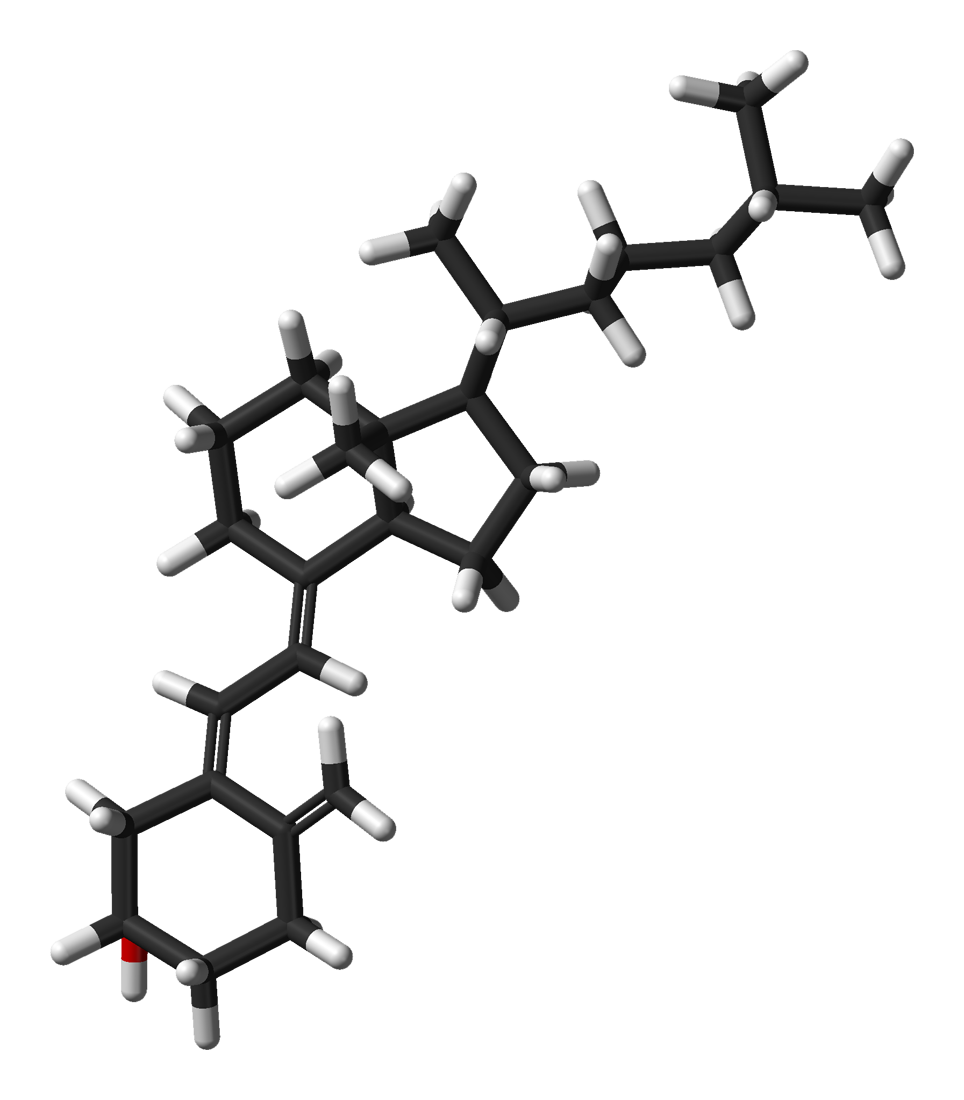
Picture: Ben Mills
 Heartbreaking, I know. Admittedly, I still get that sadness from time to time, but it wasn't until I had a rather thorough blood panel done this year where we found the culprit. All my other tests came up perfectly normal except my vitamin D. In women my age, vitamin D levels should be between 30-50. My level was 6.
I actually laughed out loud when my doctor told me.
How did my levels get so comically low? Well, look at my diet. I never eat dairy or cereal, rarely intake fish oil, and the tests were done during the winter so there was no sun to absorb ultraviolet rays.
"...high levels of vitamin [D] help the body maintain high levels of serotonin." (TLC) Serotonin is a monoamine neurotransmitter "thought to be a contributor to feelings of well-being and happiness." (Wikipedia) Thus, being deficient in vitamin D prevented my body from maintaining serotonin levels, leading to a constant feeling of malaise.
It's moments like these that make me realize just how important diet really is to our lives. The "nutrition" I was taught in school was basically, "Don't eat fatty foods or else you'll get fat and then you'll feel bad about yourself." I had no idea how diet, or physical health, actually related to emotional health beyond flabbiness and acne making you hate yourself.
Our bodies are machines that need the right raw materials input in order to function the way we need. As Johnny 5 would say, "Need input!"
For anyone living with Seasonal Affective Disorder (SAD) or with a severe vitamin D deficiency (though these two conditions are generally linked) you can buy a special light to sit under during the winter months so that your body can get the right amount of vitamin D. Changing your diet and taking supplements is one way to increase your intake, but for some reason my body isn't a fan of the pills, so that wasn't really an option for me. Our bodies also get 90% of our vitamin D from the sun. Very few foods contain vitamin D naturally and the foods fortified with the vitamin generally don't have enough. Milk, for example, does not naturally contain vitamin D, but it is fortified with it. One glass of milk contains 10% of your daily recommended intake of the vitamin, so you just need to drink 10 glasses of milk a day. Or you could sit in the sun for 15 minutes.
Source: TLC, Wikipedia
Picture: Ben Mills
Subscribe to:
Posts (Atom)